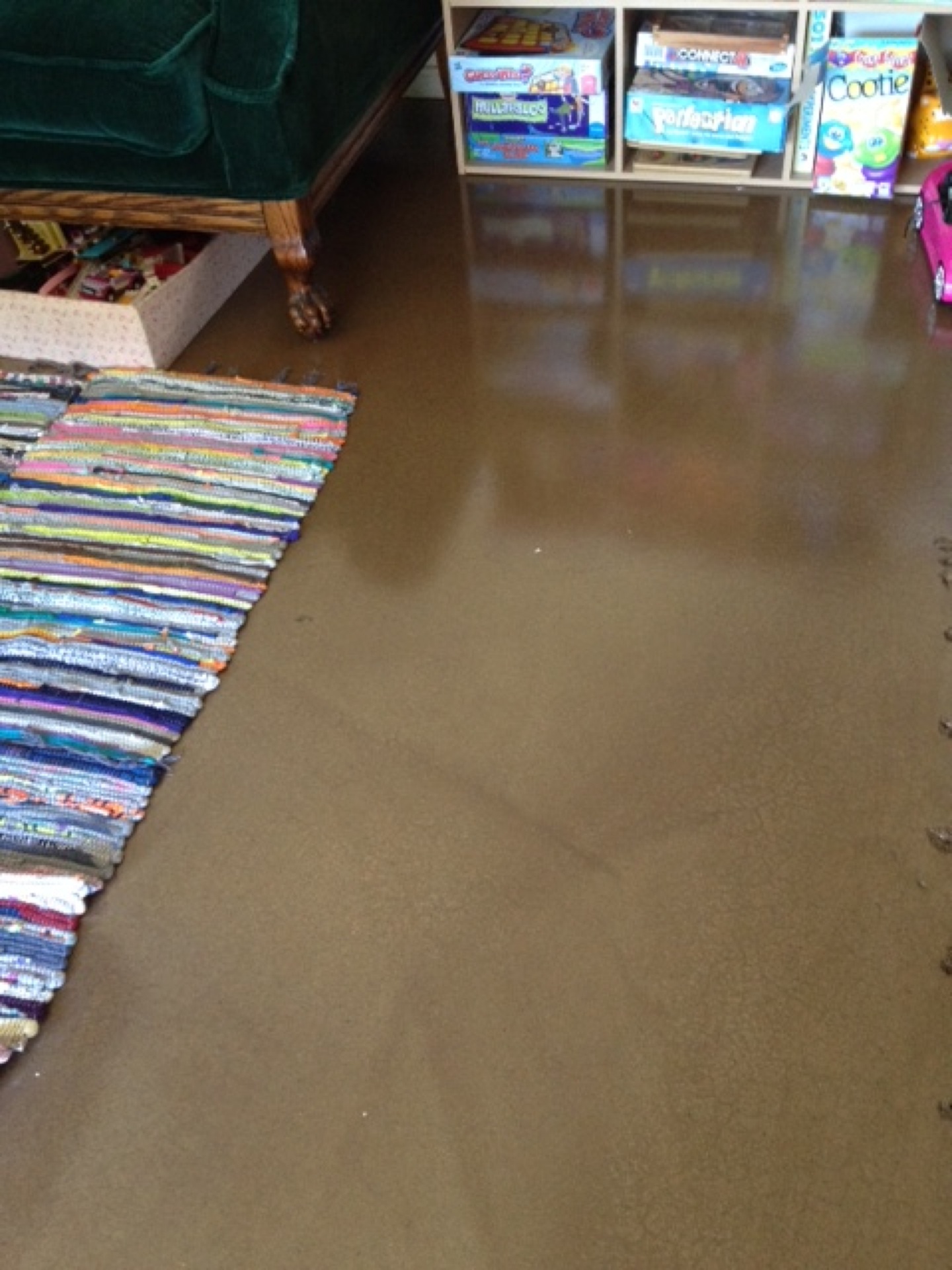
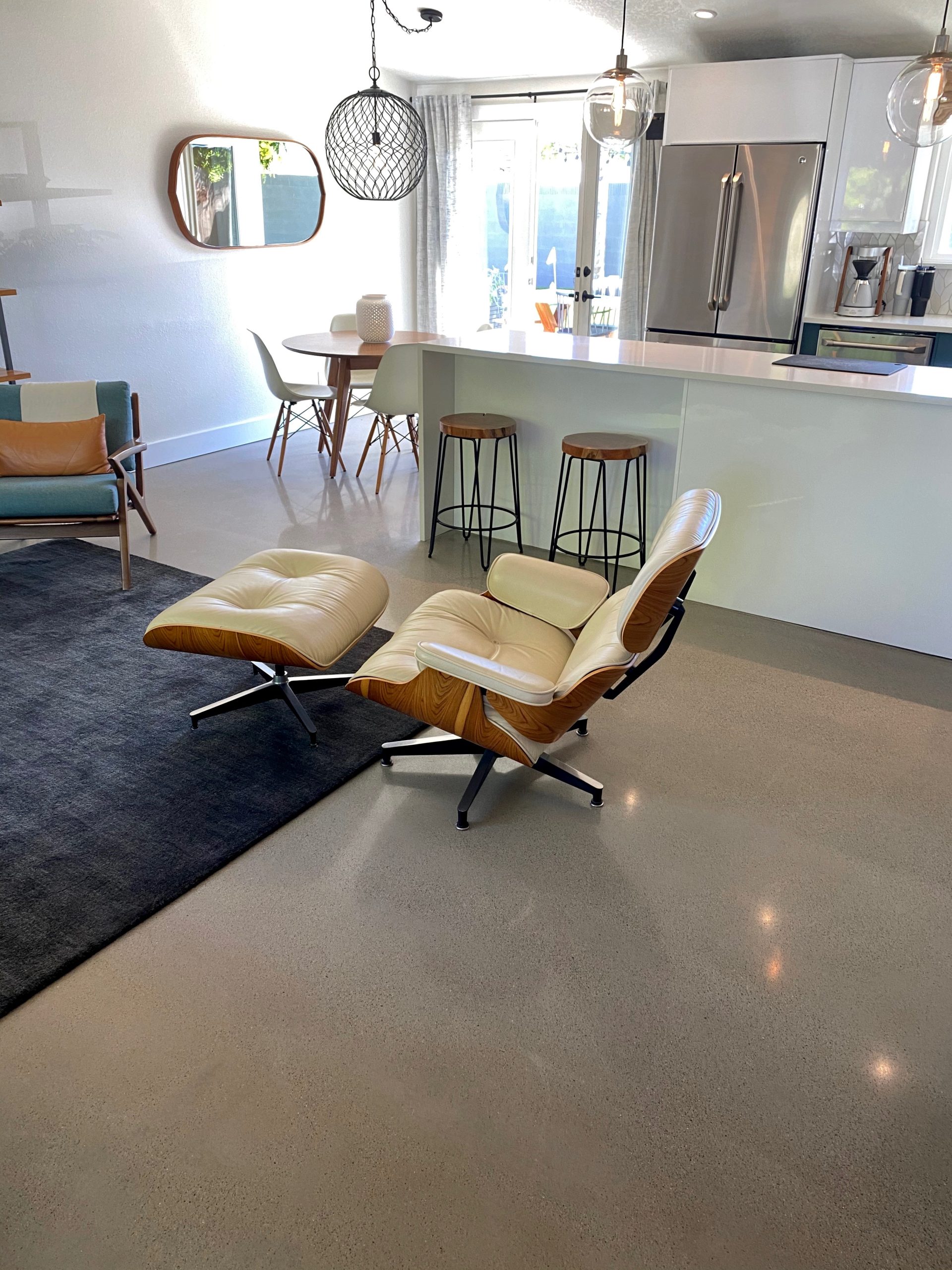
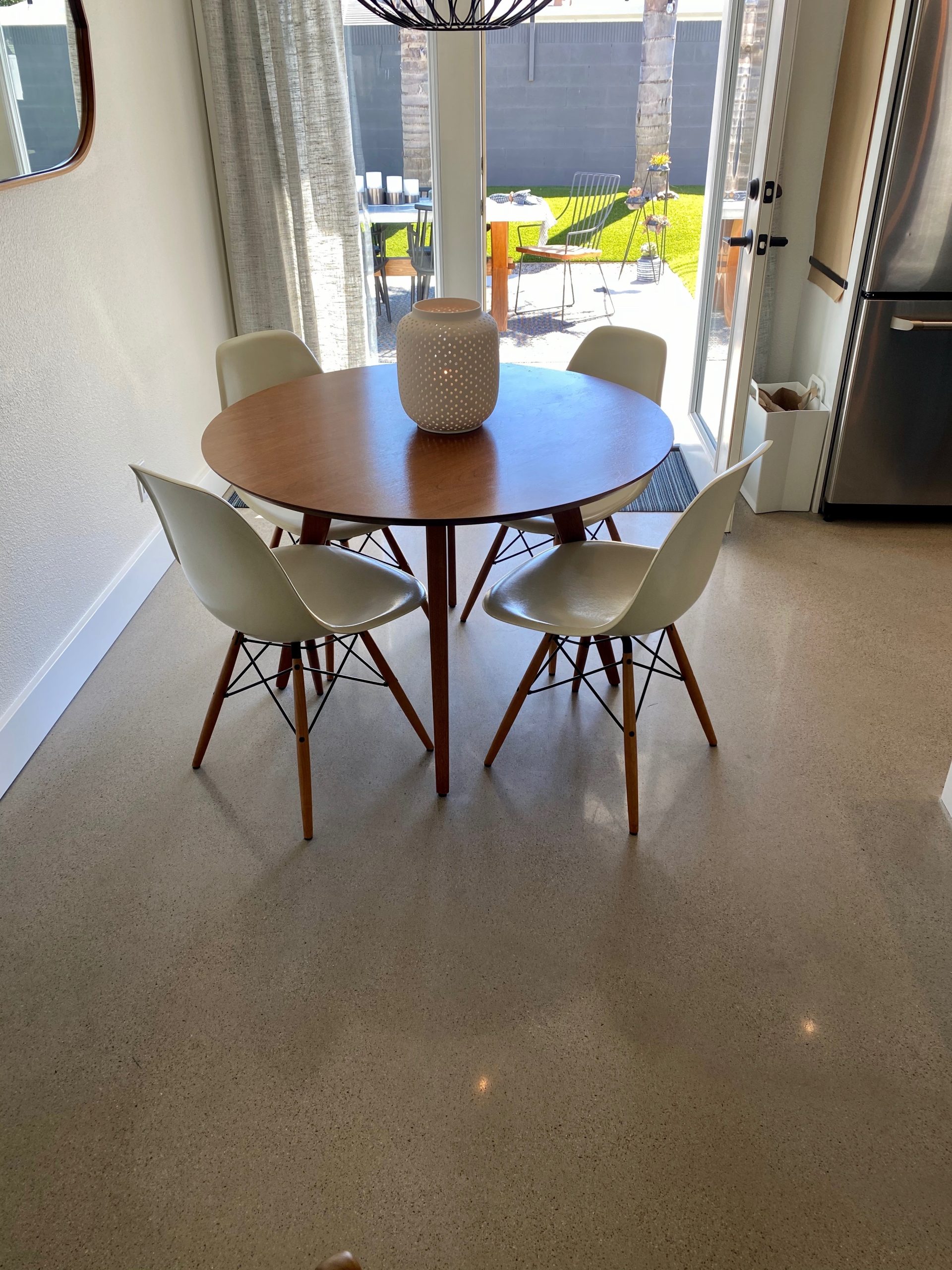
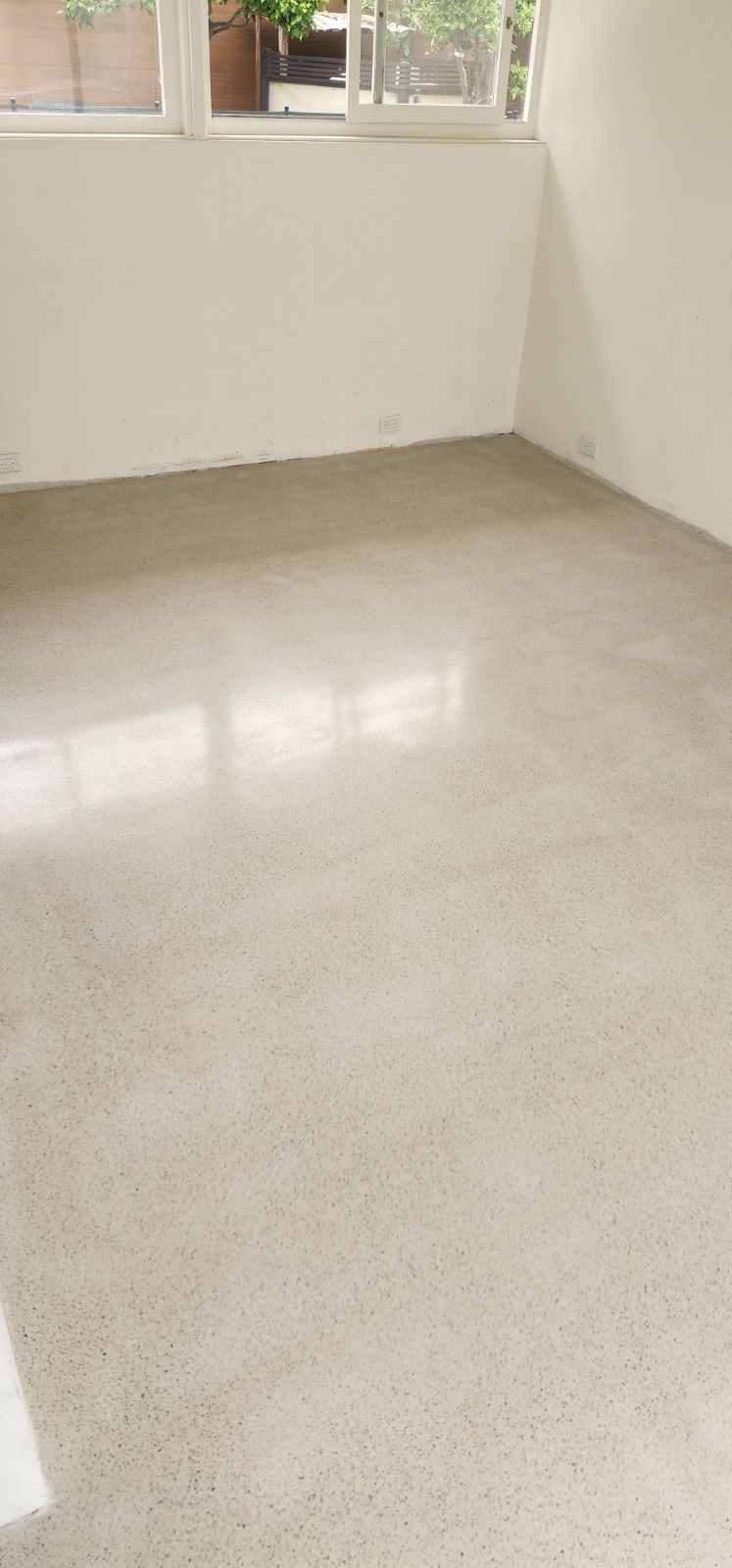
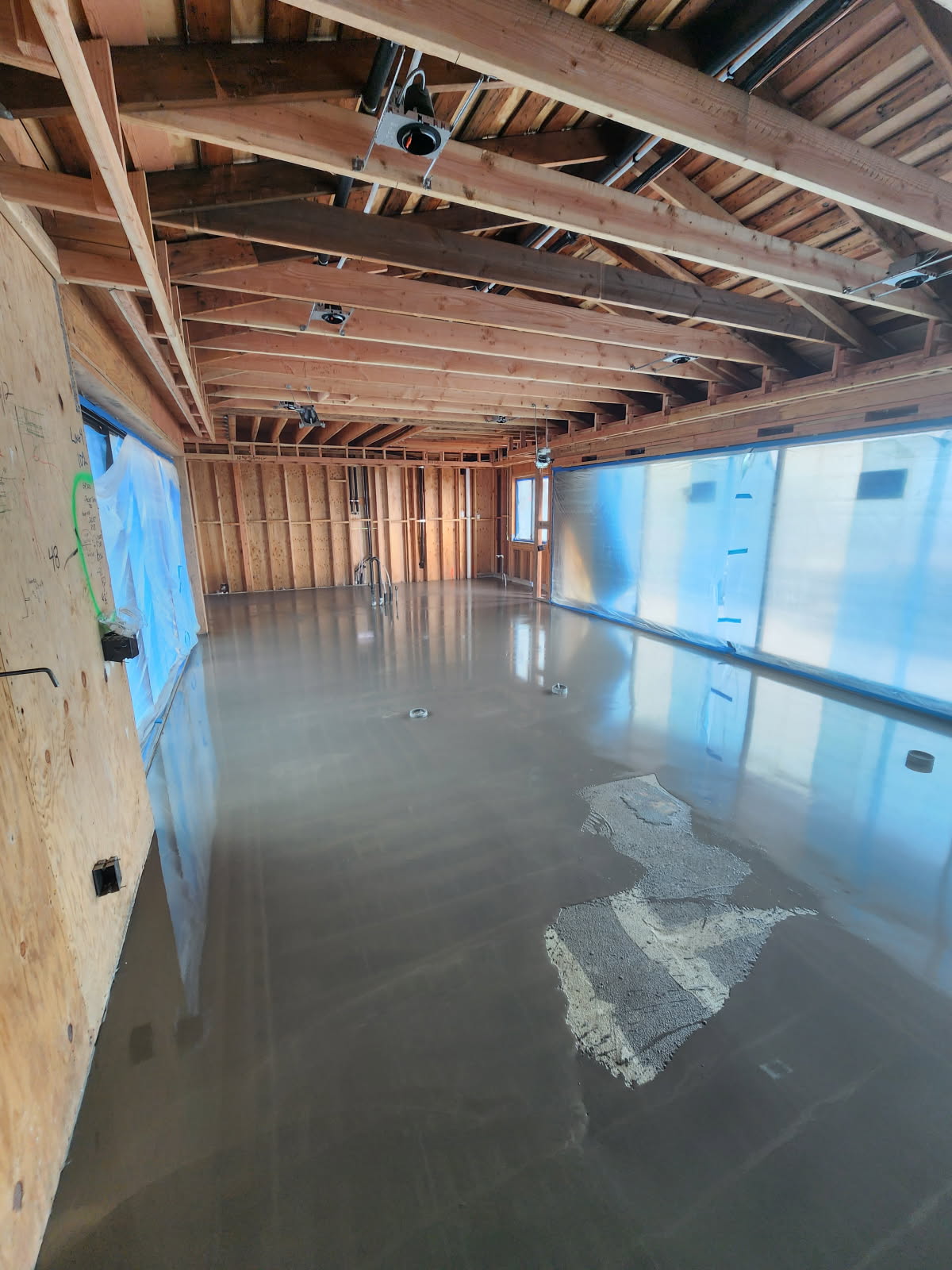
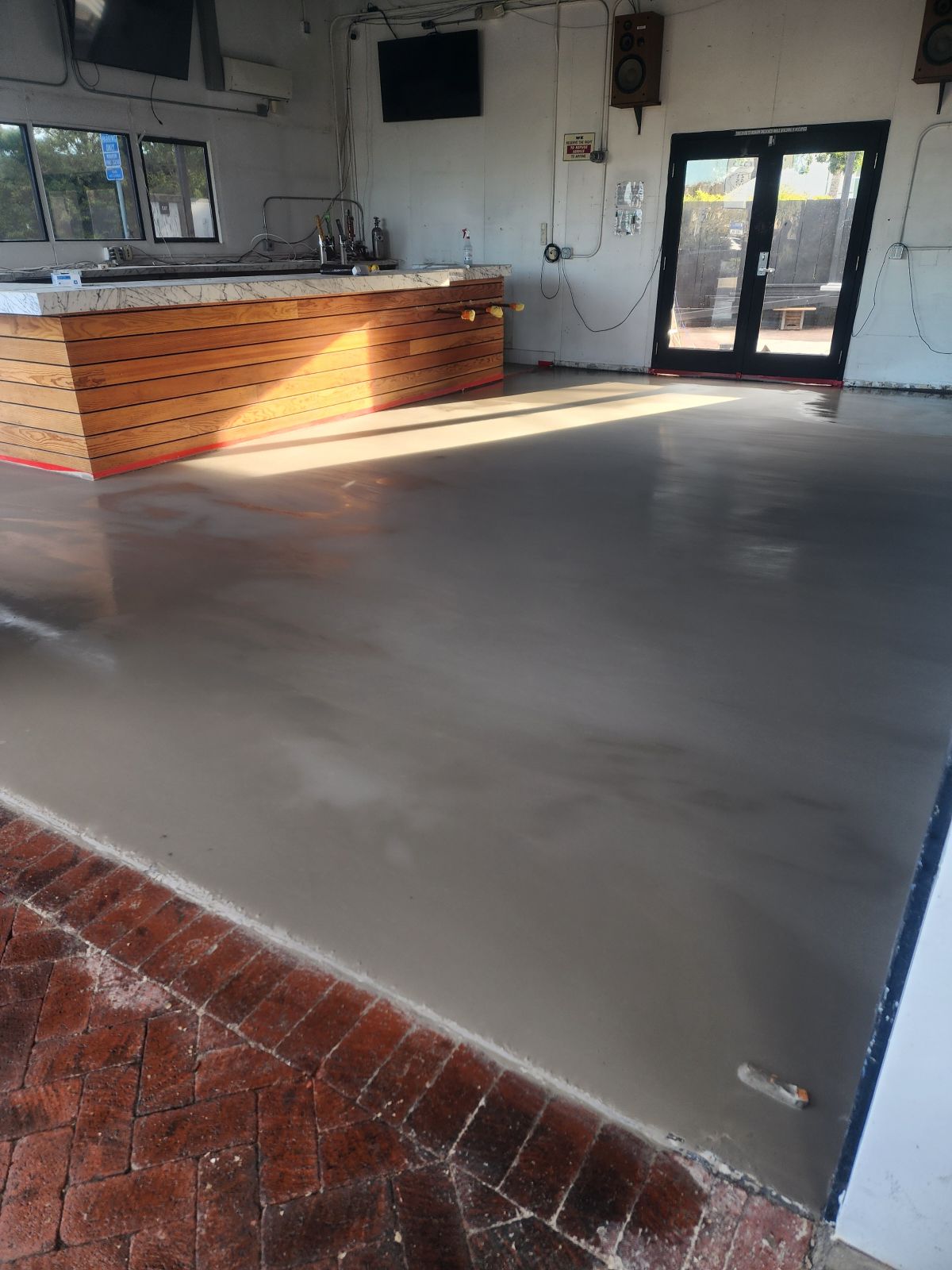
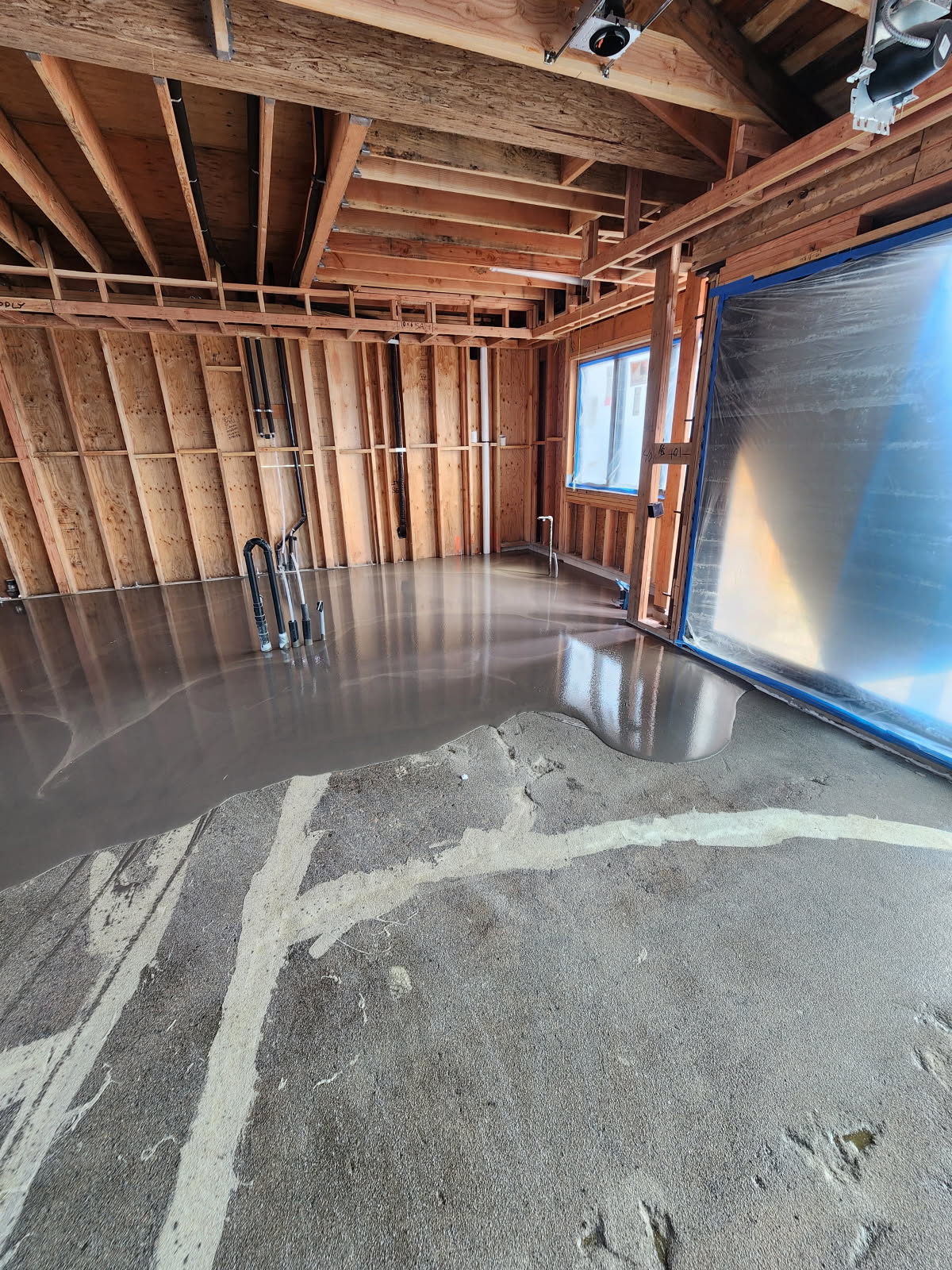
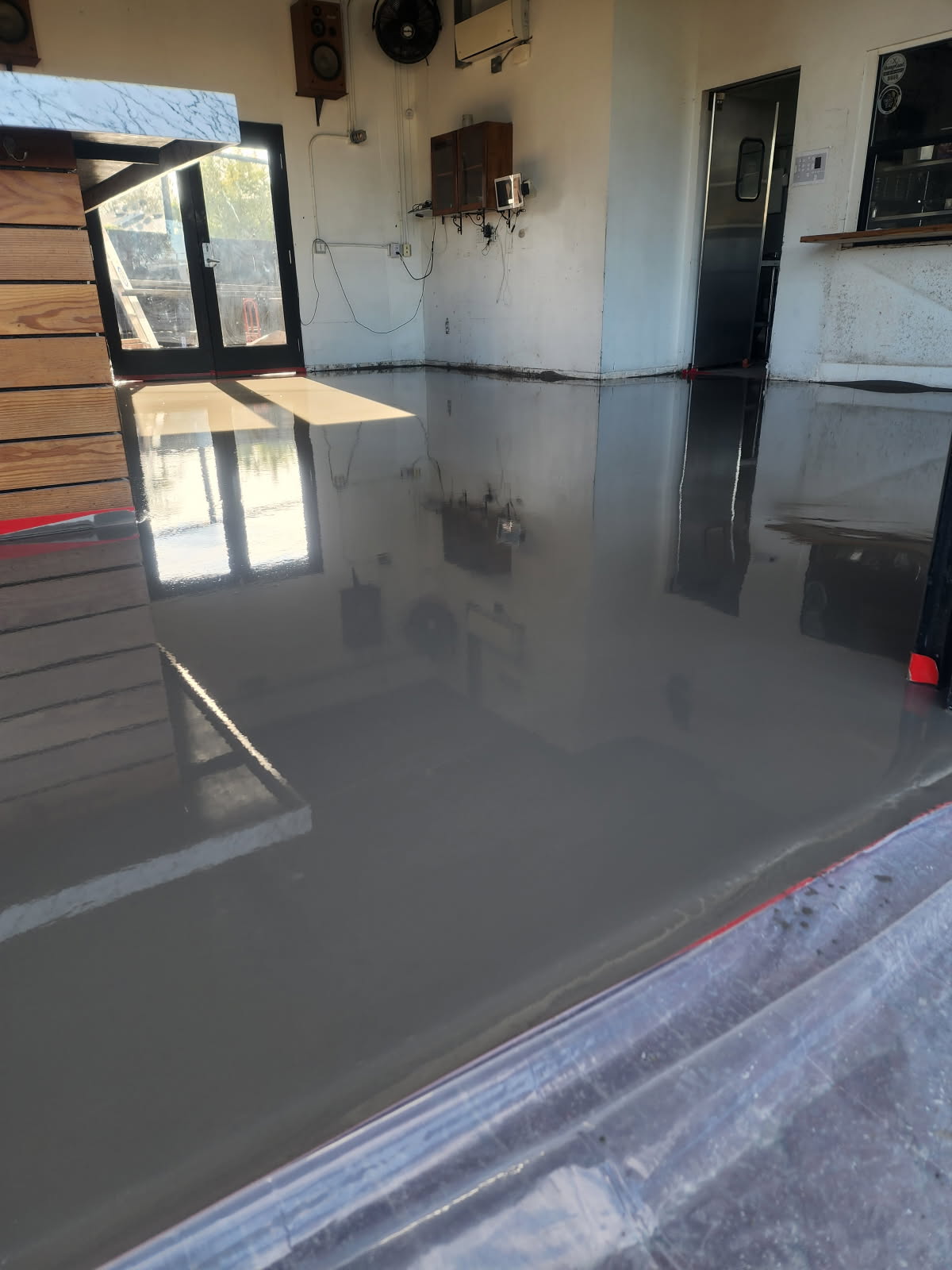
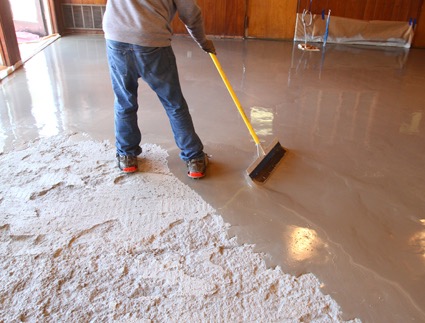
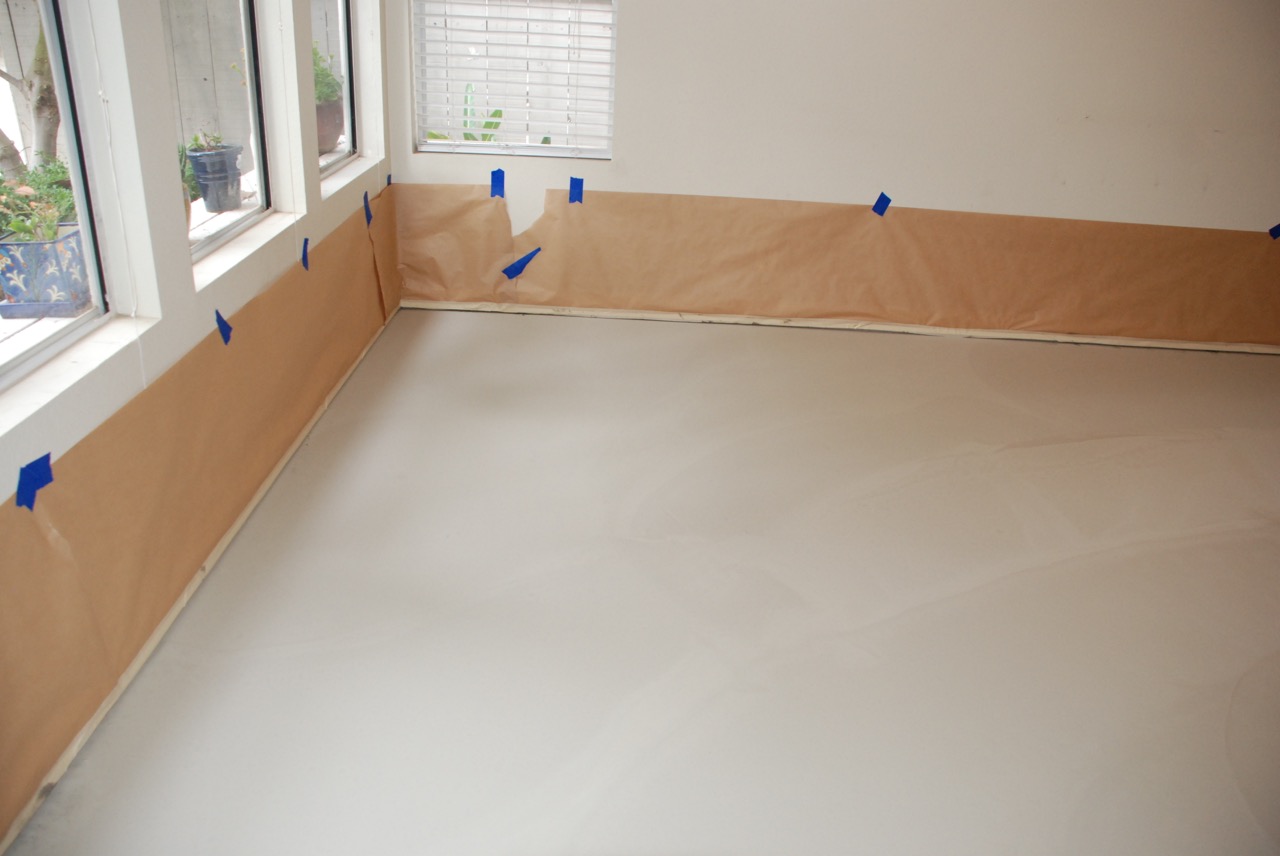
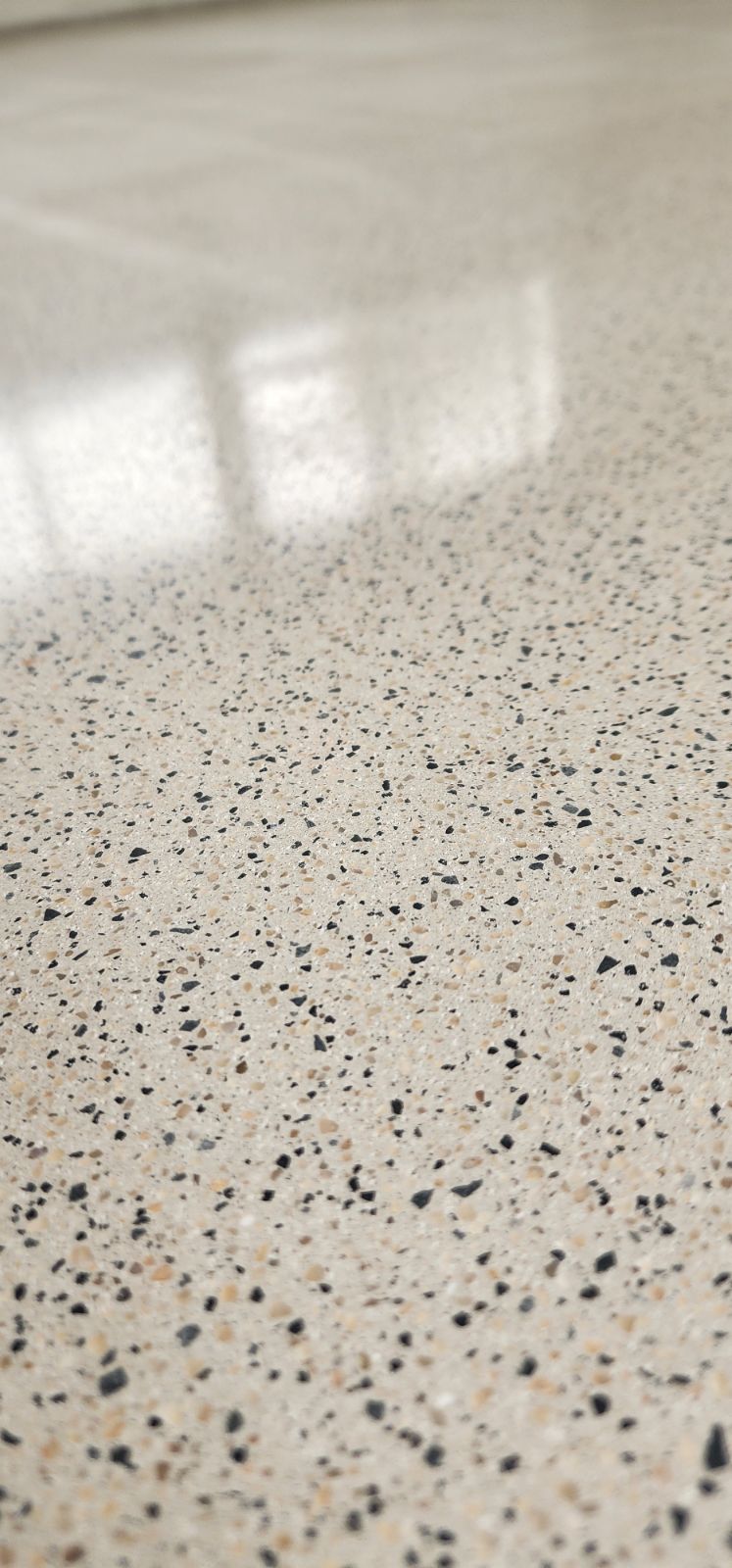
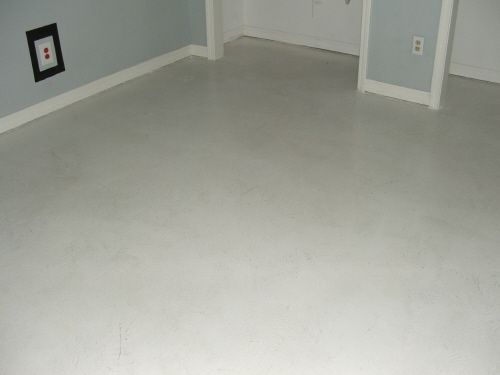
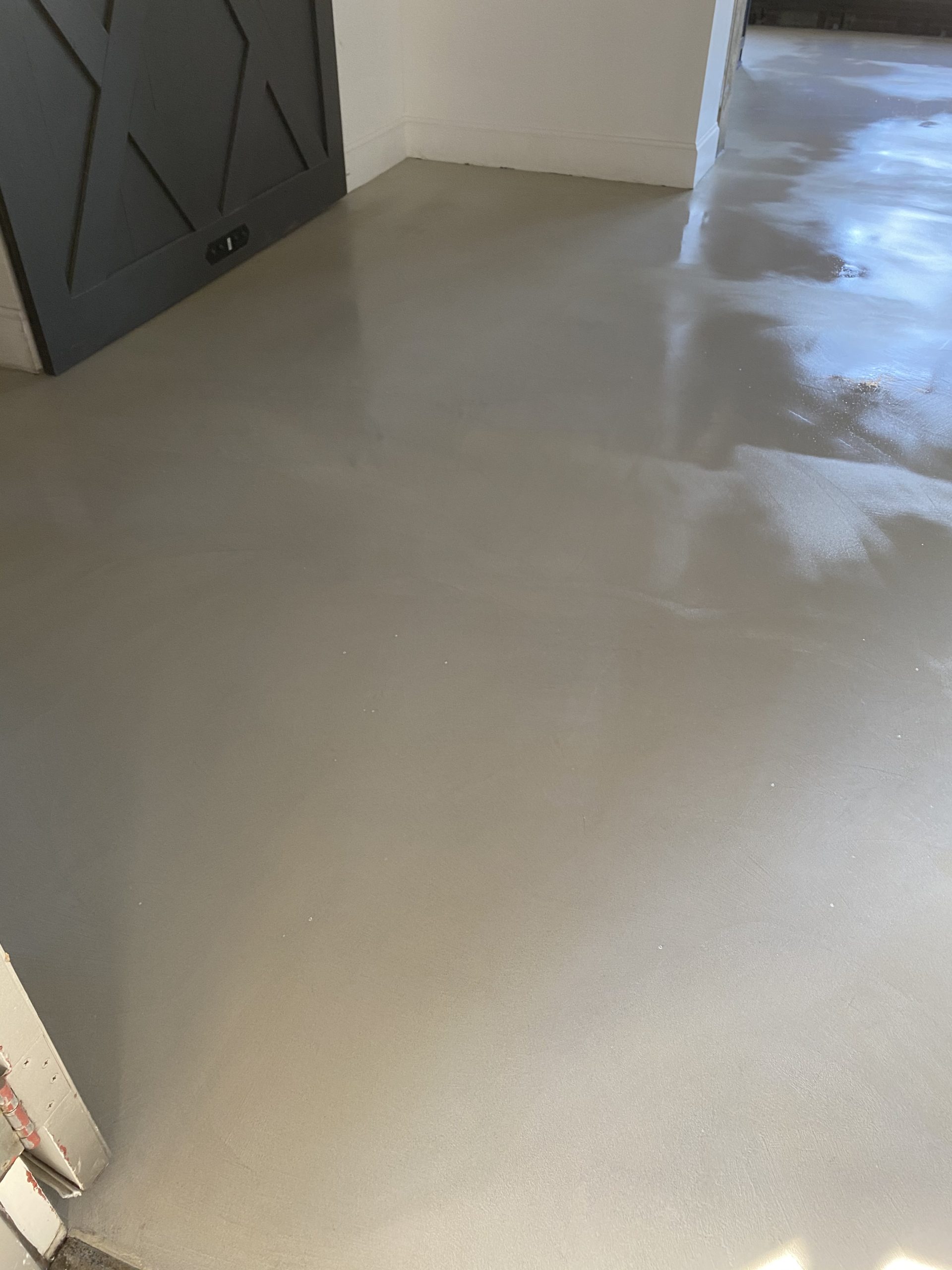
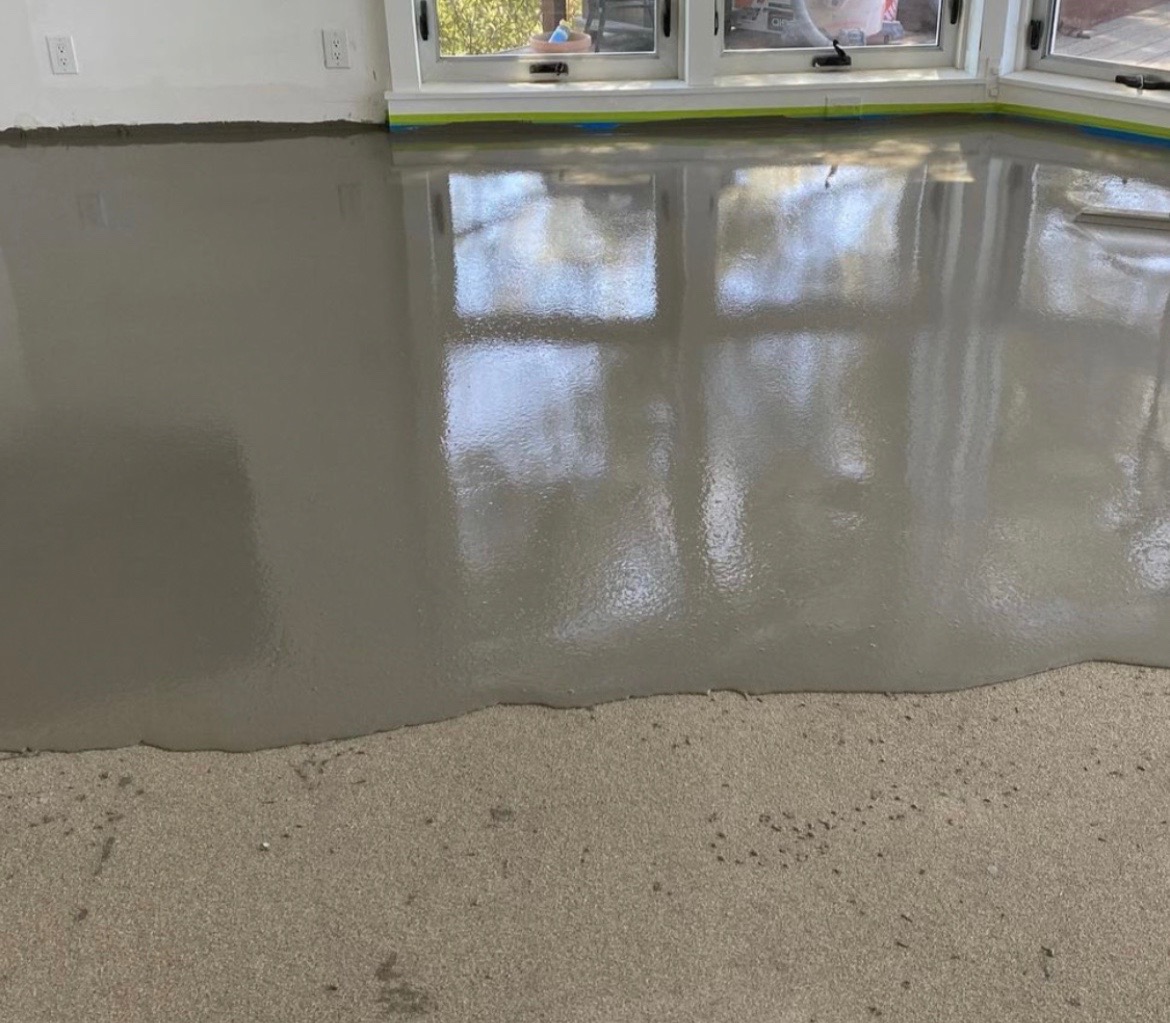
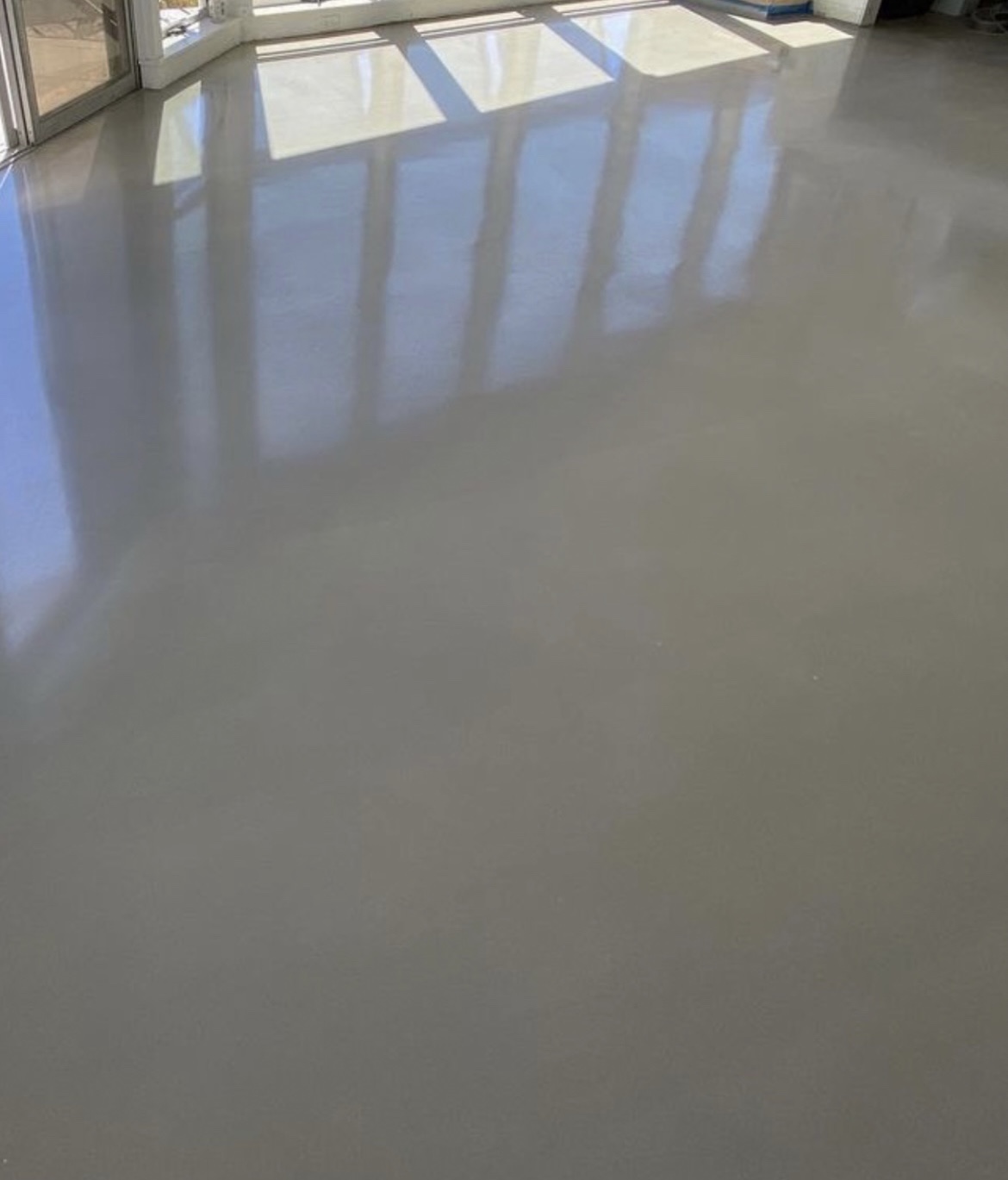
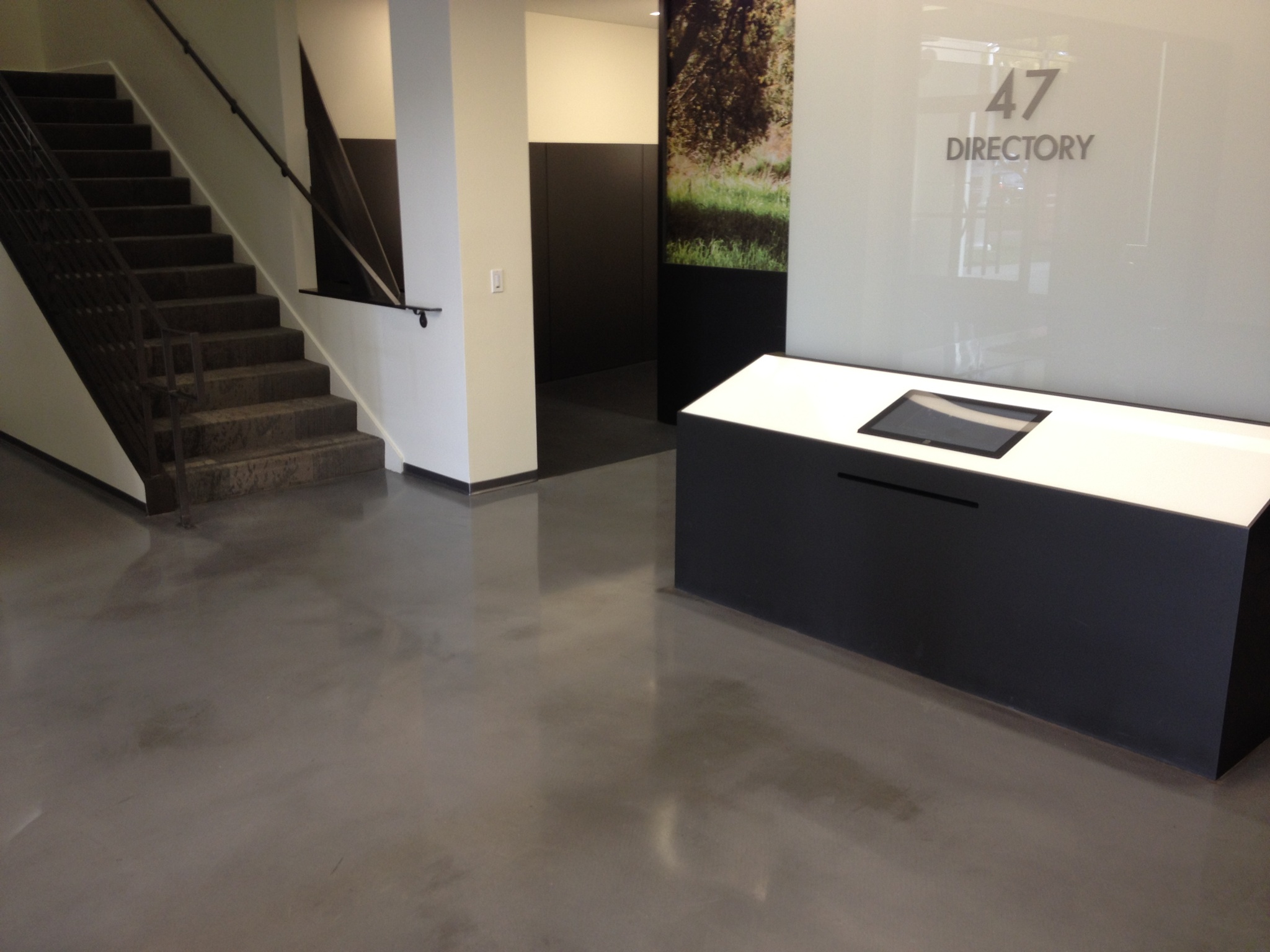
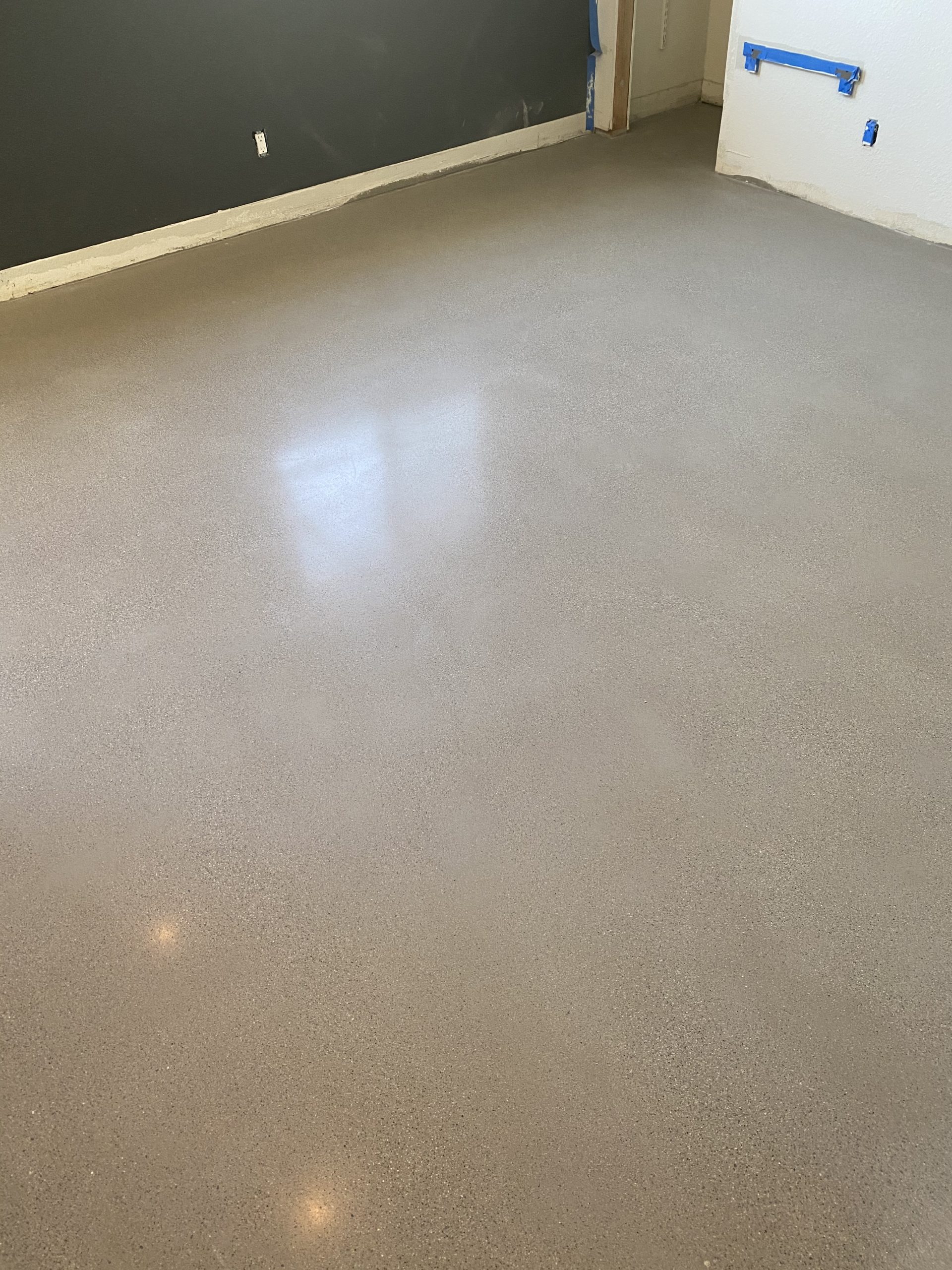
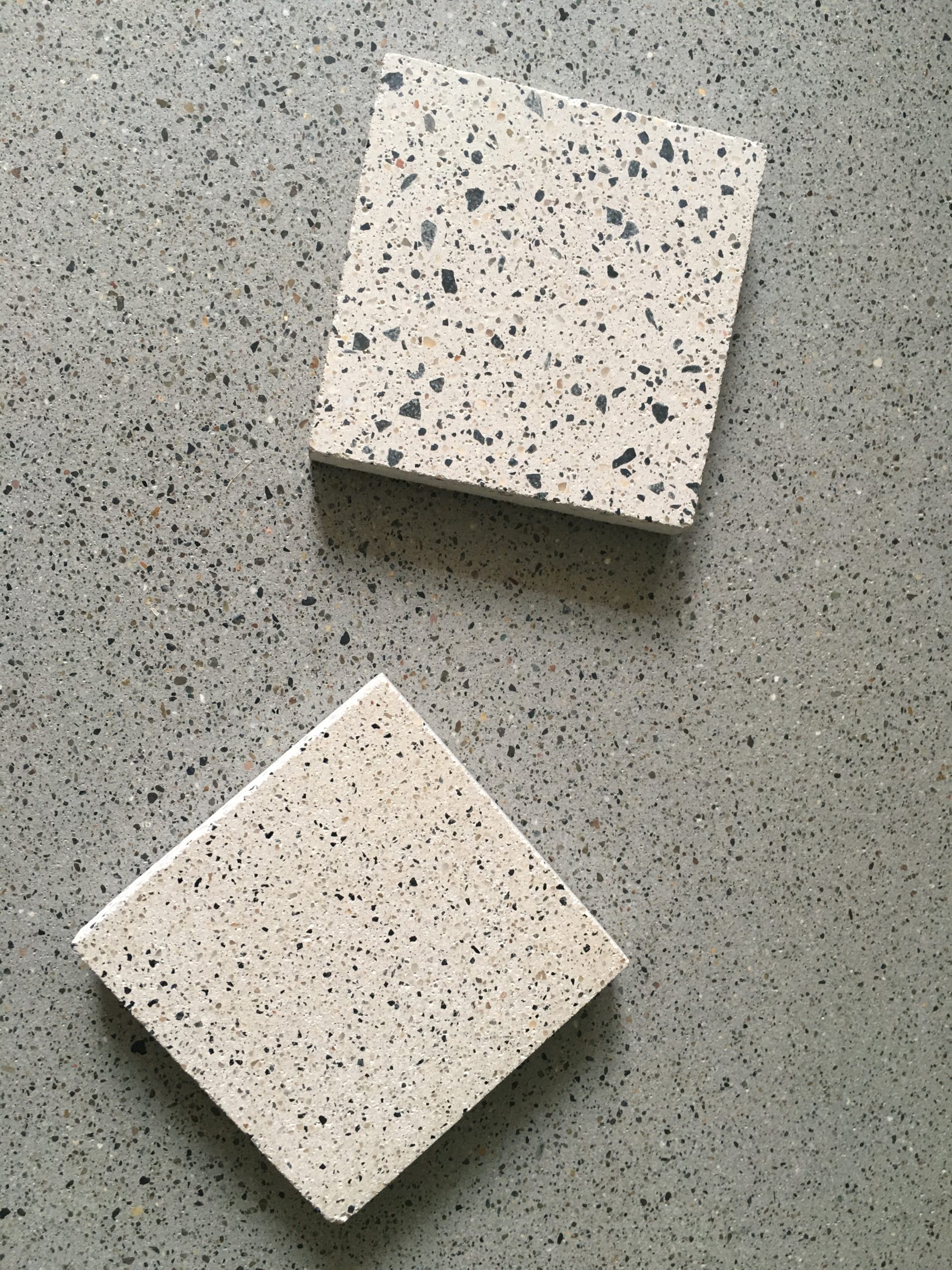
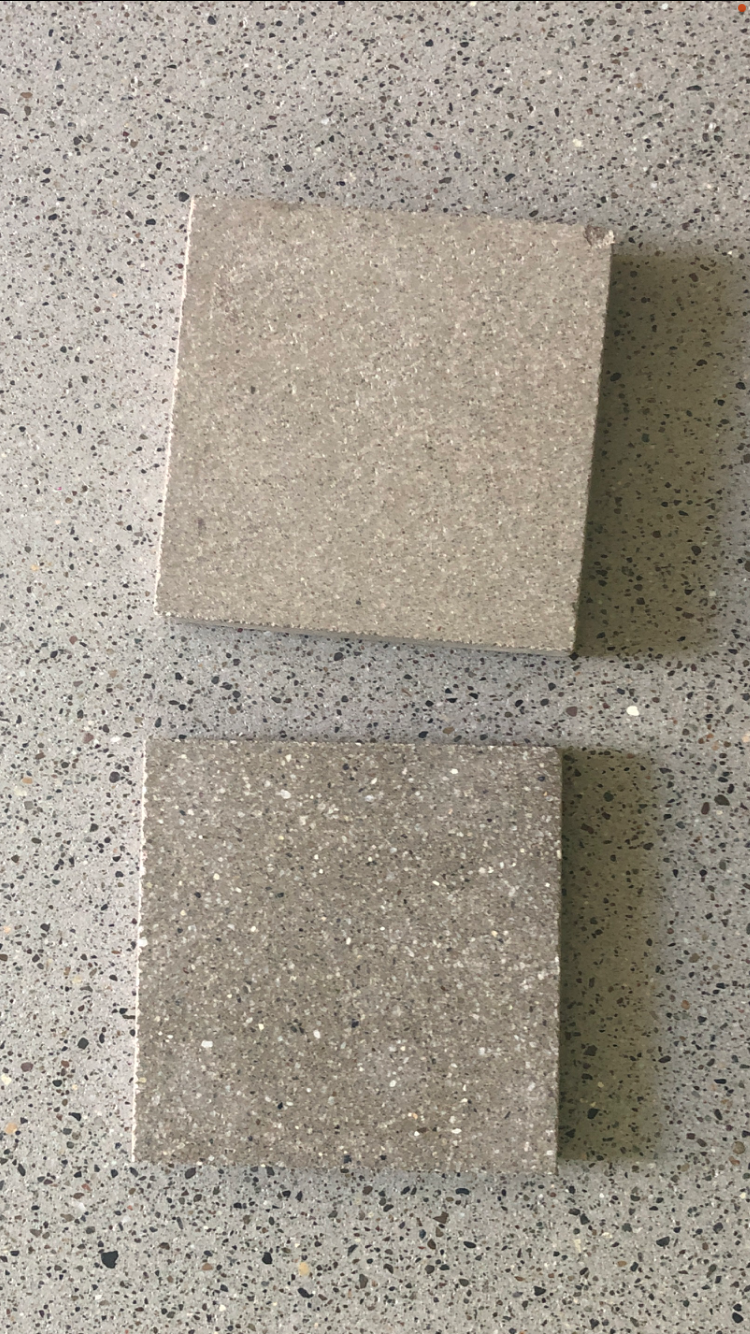
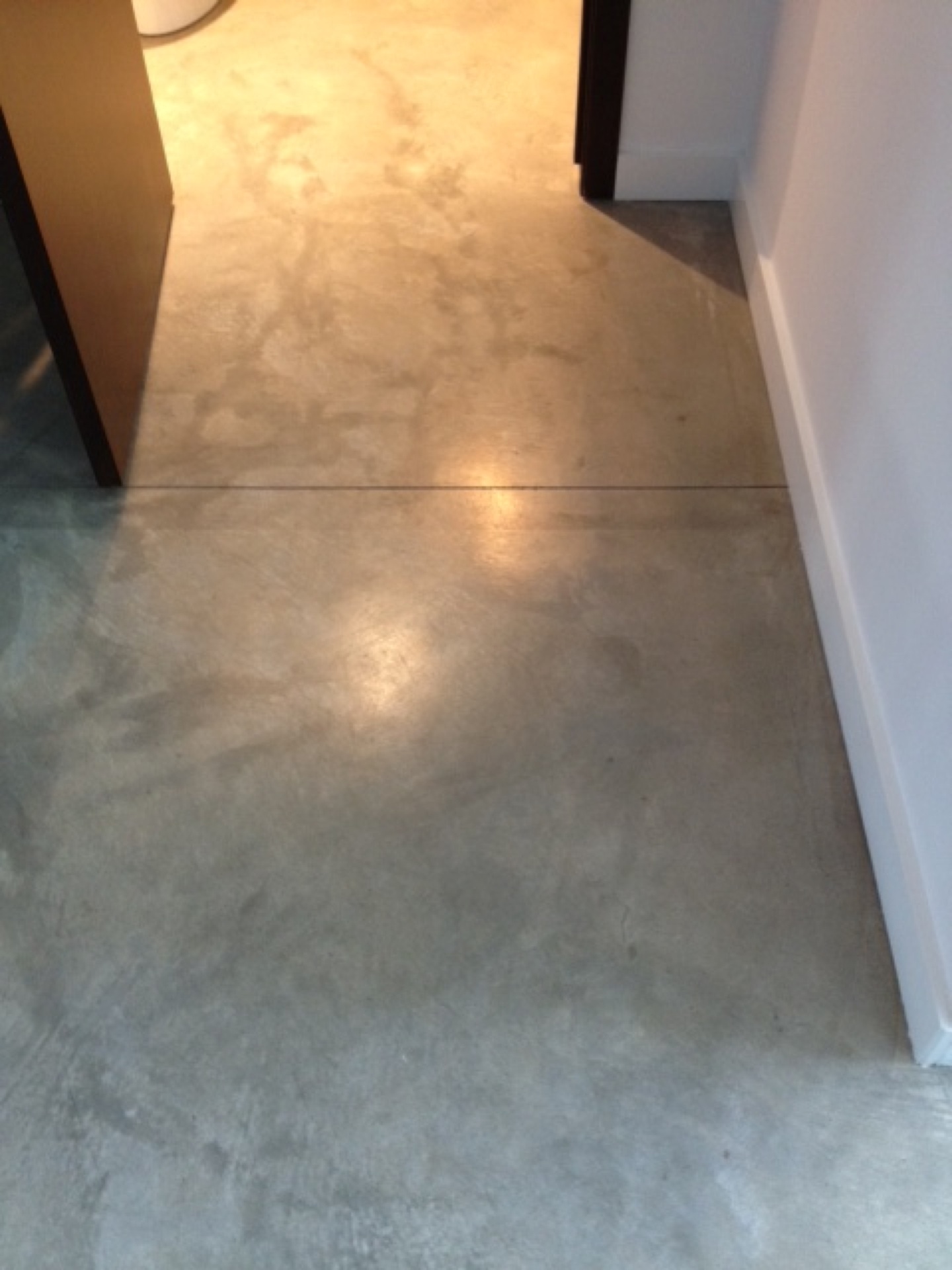
Leveling cement, often installed as a self-leveling cement or self-leveling underlayment, is a pourable floor leveling compound designed to correct uneven concrete slabs. It flows into low areas and cures into a smooth, flat surface that is ready for the next finish. Concrete floor leveling is commonly used before decorative concrete coatings, epoxy systems, tile, luxury vinyl plank (LVP), carpet, or polished concrete so the final floor looks better and performs longer.
Benefits of leveling cement…
- A flatter slab is not just about appearance. It improves how new flooring installs, how it wears, and how it feels underfoot. Key benefits include:
- Improved flatness for cleaner lines and a more professional finish
- Better prep for coatings, tile, and LVP so adhesives and coatings bond more consistently
- Reduced lippage and movement in tile and plank flooring caused by highs and lows
- Smoother transitions at doorways, thresholds, and slab edges
- A faster path to a finished floor compared to repeated patching in many situations
Typical applications…
We install leveling cement for both commercial and residential spaces, including:
- Homes: garages, basements, living areas, and remodel projects
- Offices: lobbies, suites, hallways, and tenant improvements
- Warehouses: aisles, work zones, staging areas, and equipment paths
- Retail: showrooms, boutiques, back-of-house areas, and storefront entries
- Restaurants and kitchens: prep areas and service zones that need smooth, cleanable surfaces
Overview of the process
Every slab is different, so the exact steps can vary depending on surface contamination, moisture, and the degree of unevenness. A typical concrete floor leveling process includes:
- Assessment: Measure flatness, identify high and low spots, and confirm the target finish.
- Preparation: Remove coatings, adhesives, oils, or weak concrete using grinding or shot blasting as needed.
- Crack and joint repair
- Priming: Apply the appropriate primer so the self-leveling underlayment bonds properly.
- Pour and gauge: Mix and place leveling cement to the required depth, then gauge and smooth to achieve a flat plane.
- Cure and readiness: Allow proper cure time before installing epoxy, coatings, tile, LVP, or other finishes.
Common slab problems we fix…
Leveling cement is especially useful when standard patching becomes time-consuming or inconsistent. Common issues we address include:
- Low spots and dips that collect water or create uneven flooring
- Birdbaths in garages or commercial spaces that make cleaning and coating difficult
- Uneven transitions between rooms, additions, or slab sections
- Grinding marks, ridges, or trowel patterns that telegraph through finished flooring
- Cracked or patched areas that need a smooth, uniform plane before the final system goes down
Note: Some cracks and joints are structural or movement-related. When needed, we treat them separately so the leveling layer supports the finish without masking conditions that should remain honored.
Need a flat, ready-to-finish slab? We provide professional leveling cement and self-leveling cement installations for residential and commercial projects. Contact us to schedule an on-site evaluation and get a clear plan for concrete floor leveling that fits your space and your finish goals.
Residential Interior Services
Polished Concrete Floors
Stained Concrete Floors
Overlay Resurfacing
Designer Epoxy Floors